Few sectors play a more crucial role in daily life than telecommunications. Allowing us to stay connected to people, businesses and public services, keeping telecom services online is vital. But maintaining power to base stations, particularly those in rural areas, can be challenging. In this article, Andrew Keith, director of load bank manufacturer Power Prove, explores how telecom batteries ensure connectivity, and the importance of regularly testing them.
As we move into the colder months, the weather can wreak havoc on our power services. Although designed to withstand wintery conditions, as the UK’s grid infrastructure ages, extreme temperatures cause the power system’s electromechanical components to work less effectively.
Wind and snow can cause branches to land on power lines, and other extreme conditions such as lightning also pose a threat. In 2019, two power stations failed immediately after a major lightning strike, resulting in almost a million people in England and Wales being left without power.
During extreme weather conditions, emergency services often see an increase in calls, meaning access to telecommunications is key. For the sake of our safety, power supply must be maintained. When so much depends on the availability of mains power, how can we maintain connectivity?
An additional source of power
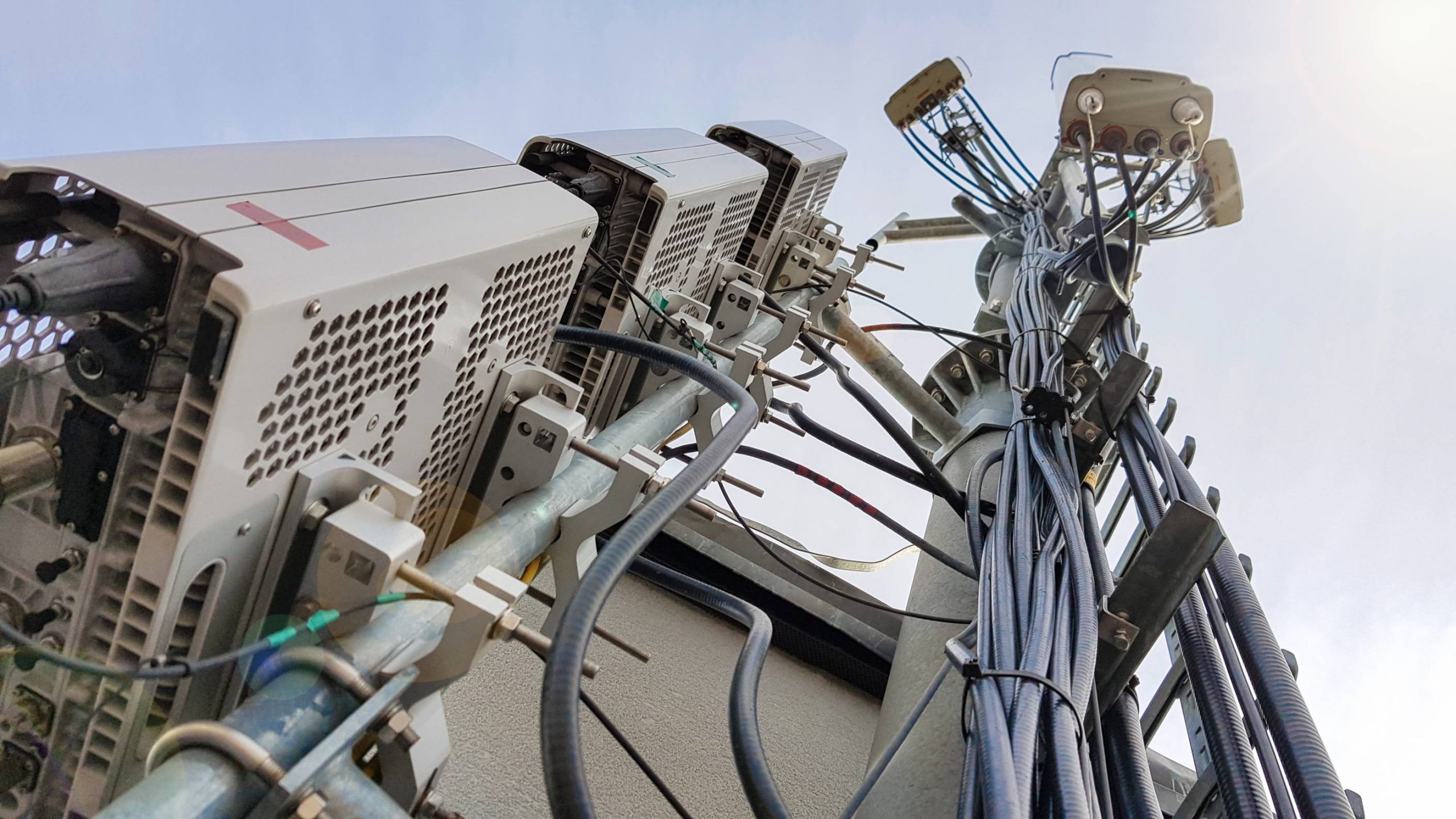
To safeguard the power supply, mobile base stations have uninterruptable power supply systems (UPS) to provide backup during outages. Limited space and resources mean these stations and street cabinets cannot always be equipped with their own independent generator. As a result, batteries are the most common back-up solution, which are charged using mains electricity and can be used during outages.
Consequently, battery health is crucial. There are tens of thousands of mobile base stations in the UK, with each one potentially responsible for providing connectivity to thousands of households and businesses. Therefore, in emergency situations, a loss of service could have wide-ranging negative implications. Knowing the exact condition of each battery within the network enables engineers to identify whether batteries are still fit for use or if they need replacing.
So, how can we determine battery health? Although all batteries degrade naturally over time, those in locations that often experience outages are likely to degrade faster than those in areas with a more reliable supply. Degradation often occurs when batteries are partially discharged and recharged during outages, and can worsen battery condition. Static performance measurements can be useful, but don’t always offer a full picture of battery health or capacity.
Testing with load banks
Load banks offer a clearer image of these metrics. A load bank is a piece of electrical test equipment capable of testing power sources by simulating loads. Frequently used to check generator performance, load banks can also verify battery health with a simple discharge test. Complete battery discharge allows the explicit identification of battery health and condition.
Load bank testing as part of a preventative maintenance plan not only ensures connectivity is maintained during outages, but can also reduce costs of rush purchasing and installing new backup batteries.
While the weight of standard generator testing load banks makes them difficult to transport, Power Prove offers a variety of portable DC load banks, ideally suited for telecom battery testing. Load banks on wheels enable portability, and with a load capacity of up to 30kW, they allow access to higher voltages.
As the UK has thousands of mobile base stations with backup batteries in need of testing, it is essential that load banks are suited to use across multiple sites. To reduce the amount of time and fuel used on repetitive tests, Power Prove offers a load bank equipped with load profile memory. This enables the unlimited input of pre-configured load step sequences for quick and efficient testing.
As the likelihood of extreme winter weather events increases, it threatens the reliability of our energy supply. But for sectors that depend on uninterrupted power, where individual generators are not viable, there are options available. When tested regularly, backup batteries play a crucial role in ensuring connectivity for when we need it most.